Why Arborists Matter: All-Inclusive Care for Maximum Tree Development and Risk Management.
Tree specialists fulfill a crucial function in maintaining the well-being and security of trees. Their expert understanding covers fields including tree biology, pest management, and structural integrity. Routine care is essential for preventing potential hazards and promoting growth. Yet, numerous landowners fail to notice the warnings of tree distress that could result in severe outcomes. Understanding what arborists offer can significantly affect the duration and appearance of landscapes. Which essential services they provide?
Understanding the Role of Arborists
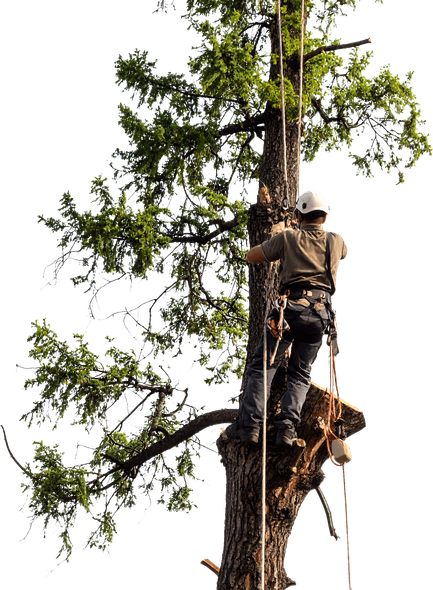
Even though many admire the beauty of trees, few understand the essential part that arborists play in keeping them healthy and secure. Arborists are highly trained individuals educated in the technique and discipline of tree care. They have extensive knowledge of tree biology, ecology, and the many variables that influence tree development and firmness. Arborists assess trees for evidence of sickness, pest infestations, and structural weaknesses, ensuring that trees thrive in their environments. They highlight the ecological benefits of trees, such as carbon sequestration and wildlife habitat, pointing out their necessity in city development and environmental conservation. By using proven techniques in tree care, arborists contribute to the overall health of urban forests and landscapes. Their knowledge is crucial in informing the community about responsible tree stewardship, building more respect for trees and the core function they play in the ecosystem.
Essential Services Provided by Arborists
Tree specialists provide a wide range of necessary services that support the health and safety of trees. One primary service is tree pruning, which involves removing dead or diseased branches to promote growth and mitigate risks. Arborists also conduct tree assessments, analyzing the health and structural integrity of trees, finding hidden threats, and recommending appropriate actions. Furthermore, they provide planting services, ensuring that trees are placed in appropriate spots with perfect ground quality to thrive
An important service is managing pests and diseases, where arborists determine the issues and carry out treatment strategies to preserve the trees (Florence Arborist). Moreover, many arborists handle tree felling when necessary, carefully taking down hazardous trees to mitigate risks to people and property. Finally, they offer consulting, informing customers on practices for tree care that promote vigorous growth. In summary, these services are vital for upkeeping rural and urban settings
The Benefits of Routine Tree Upkeep
Consistent tree care provides many advantages that enhance both the health of the trees and the safety of the surrounding environment. Through consistent application of care, such as thinning and pruning, trees can develop more strongly, which permits better light access and circulation of air. This fosters robust structural development and decreases the threat of pests and diseases. Additionally, regular maintenance helps to remove dangerous or dead limbs, reducing the chance of harm to property or people during high winds or storms.
In addition, well-maintained trees contribute positively to the aesthetic appeal of landscapes, raising the value of the property. They also encourage biological diversity by offering shelter for various species. Engaging professional arborists guarantees that maintenance practices are executed properly, using their knowledge to assess tree health and apply appropriate treatments. Taken together, regular maintenance promotes a safer environment while enhancing the longevity comprehensive article and vigor of trees, aiding the community and the ecosystem.
Recognizing Indicators of an Unhealthy Tree
How do you know when a tree is in distress? Identifying symptoms of tree stress is essential for ensuring the health and safety of trees. Key indicators include leaves that are yellow or wilted, which may suggest insufficient water or deficiencies in nutrients. In addition, a high volume of dropped leaves can indicate distress, especially during growing seasons. Different bark textures, such as flaking or splitting, often point to hidden issues, including pest infestations or disease. An unusual number of dead branches, particularly if they are widespread, points to declining vitality. Moreover, roots that are not secure, indicated by leaning or roots visible above ground, puts at risk a tree’s inherent strength. Finally, the appearance of fungal growth around the bottom of the tree may indicate decay. By recognizing these signs early, tree owners are able to take suitable steps to reduce potential hazards and foster optimal tree health, securing the safety and lifespan of their trees.
Choosing the Right Arborist for Your Needs
When selecting an arborist, what considerations are important to ensure they are the right match for their tree care needs? To begin with, credentials are essential; a certified arborist should possess relevant qualifications and training in tree care. The arborist's experience matters greatly; those with a proven track record will usually deliver higher quality work. In addition, reviewing past customer feedback and references can offer insight into an arborist’s level of professionalism and trustworthiness.
Another important consideration is the types of services available. From tree pruning and disease control to emergency services, the right arborist should cater to specific needs. Moreover, you should ask about insurance and safety practices to ensure security against potential liabilities. To conclude, receiving quotes from different providers allows you to compare cost and value, facilitating a well-informed choice. By carefully evaluating these factors, individuals can choose an arborist who meets their specific needs and supports the health and security of their trees.
FAQs
What is the Recommended Frequency for Tree Maintenance?
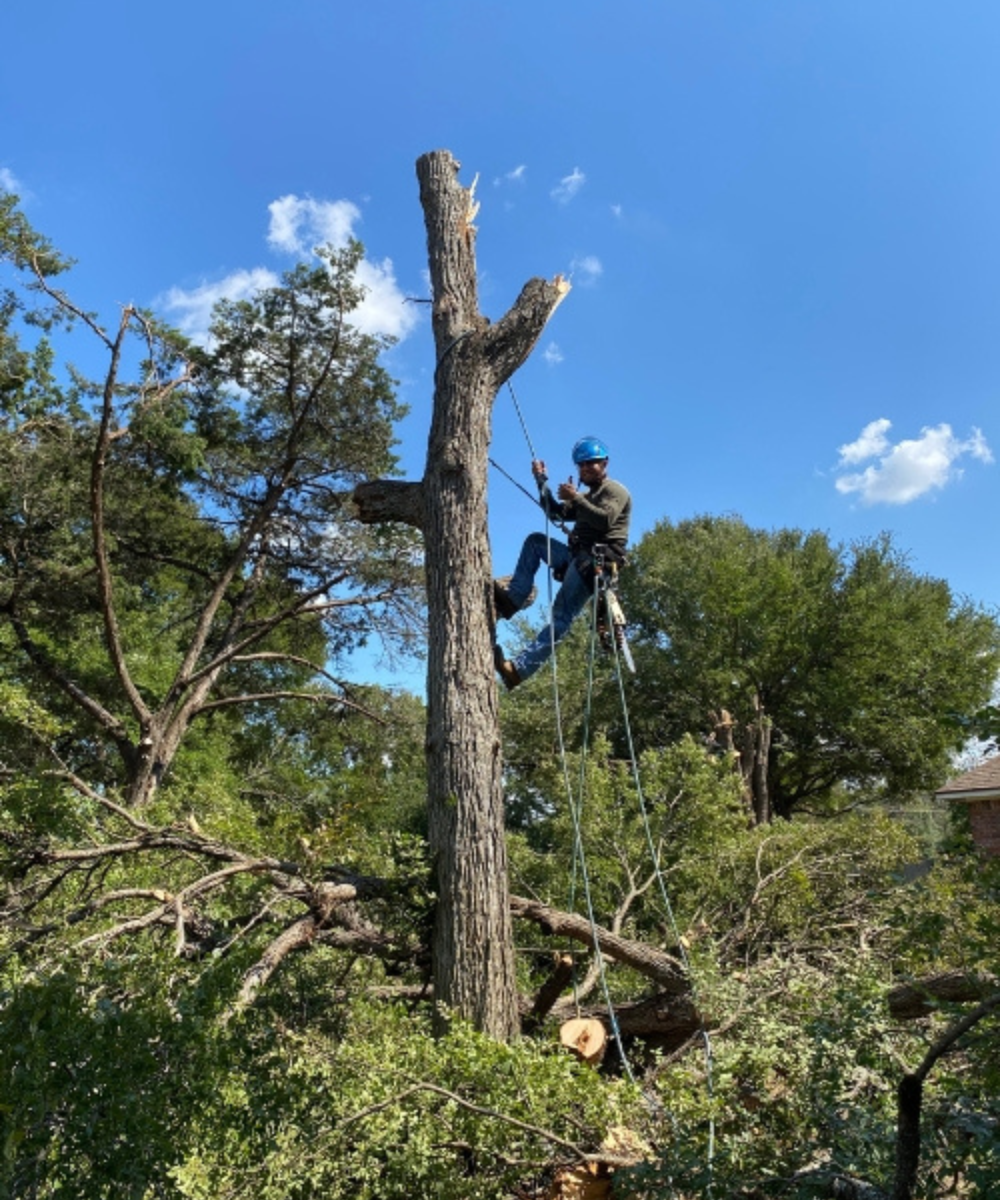
Tree maintenance services should be scheduled at least once a year for the majority of trees (Florence Arborist). Yet, individual requirements can differ based on tree species, age, and local climate conditions, which requires adjusting the maintenance schedule appropriately
What Qualifications are Important in an Arborist?
When seeking an arborist, you must check for credentials such as certification from the ISA (International Society of Arboriculture), TCIA (Tree Care Industry Association) accreditation, or state-specific licenses that show proven knowledge in tree care and safety practices.
Are Arborists Able to Assist in Planting Trees?
Indeed, tree specialists are able to help in planting trees. They provide expertise in selecting appropriate species, making certain planting methods are correct, and offering counsel on the location's environment, ultimately promoting healthy growth and boosting the ecological stability of the area.
How Do Weather Conditions Affect Tree Care?
Weather conditions greatly influence tree care. Temperature extremes, moisture levels, and the direction of the wind can affect growth, vitality, and vulnerability to pests, requiring tailored care strategies so that trees prosper in varying environmental conditions.
What Is the Average Cost to Employ a Tree Specialist?
The typical fee for employing a tree expert typically ranges from three hundred to fifteen hundred dollars, depending on factors such as geographic area, tree size, and how complicated the necessary work is for necessary tree upkeep and vitality checks.
Comments on “Top-Rated Emergency Service in Florence SC”